How to Convert Your Central Heating Towel Rail to Dual Fuel
If you have a central heating towel rail, you have probably noticed its biggest limitation it only works when your boiler is running. During the warmer months when you switch off your central heating, your towel rail sits cold and unused, leaving you with damp towels and a chilly bathroom. The solution? Converting your central heating towel rail to dual fuel. In this comprehensive guide, we will explain everything you need to know about making this practical upgrade.

What Is a Dual Fuel Towel Rail?
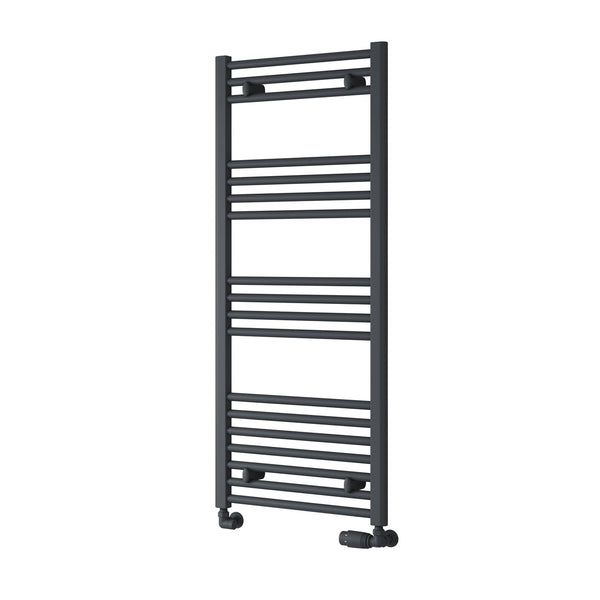
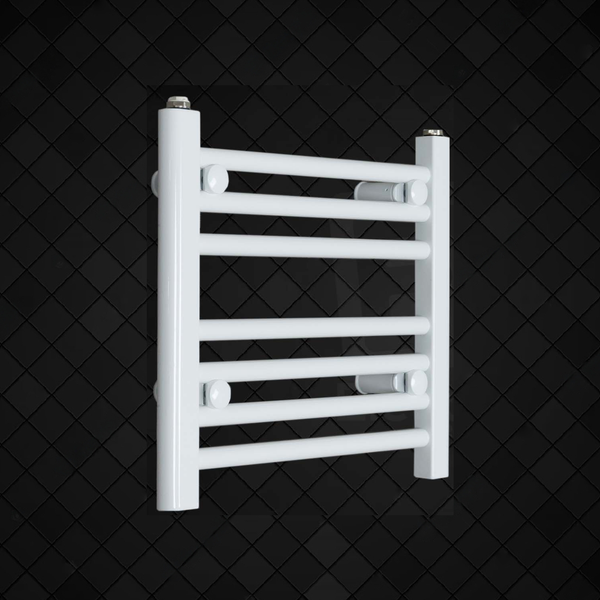
A dual fuel towel rail can operate using two different heat sources. It connects to your central heating system like a standard radiator, but also has an electric heating element that allows it to work independently when the central heating is off.
This gives you the best of both worlds. During winter, your towel rail heats up automatically whenever your boiler runs, using the hot water circulating through your central heating system. During summer, or whenever you want warm towels without turning on the whole heating system, you simply switch on the electric element.
The result is year-round warm towels and a comfortable bathroom, regardless of the season or your central heating schedule.

Benefits of Converting to Dual Fuel
Year-Round Functionality
The primary benefit of dual fuel conversion is having warm towels available throughout the year. No more cold, damp towels during summer months. No more waiting for the central heating to kick in before your bathroom feels comfortable.
This is particularly valuable in the UK, where even summer mornings can feel chilly. Having the option to warm your towels and take the edge off your bathroom without firing up the boiler is genuinely useful.
Energy Efficiency
Running your entire central heating system just to warm a towel rail is inefficient and expensive. A dual fuel setup lets you heat only the towel rail when that is all you need, using a fraction of the energy.
The electric element in a typical towel rail uses between 150 and 300 watts – roughly the same as a few light bulbs. Compare this to running a gas boiler and pumping hot water through your entire heating system, and the savings become clear.
Flexibility and Control
Dual fuel gives you complete control over your bathroom heating. You can use central heating during winter for efficient whole-house warmth, switch to electric-only during summer, or use both together for maximum heat output on particularly cold days.
Many electric elements come with thermostatic controls, timers, or smart features that let you programme exactly when and how your towel rail operates.
Increased Property Value
Dual fuel towel rails are seen as a desirable feature by homebuyers. They demonstrate thoughtful bathroom design and year-round functionality that buyers appreciate. This small upgrade could add appeal when it comes time to sell your property.
What You Need for the Conversion
Dual Fuel Heating Element
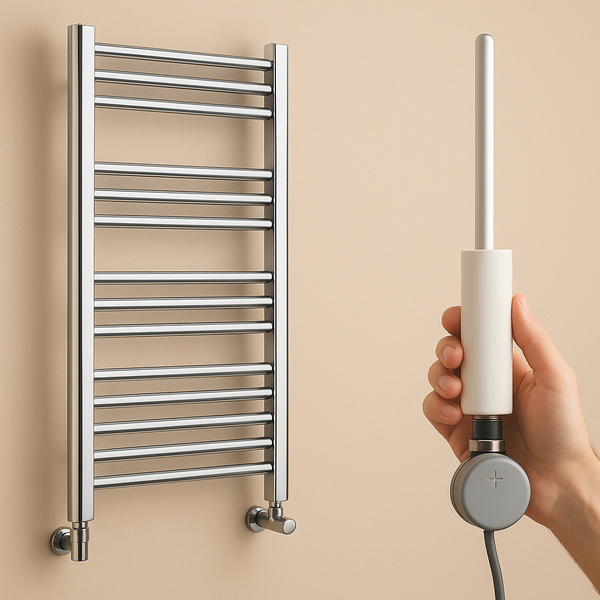
The key component is an electric heating element designed for dual fuel use. These elements are specifically designed to work in conjunction with central heating systems, featuring a T-piece connection that allows both water flow and electric heating.
Our range of electric heating elements includes options suitable for dual fuel conversion, available in various wattages to suit different towel rail sizes.
Dual Fuel Kit
A complete dual fuel kit typically includes everything you need for the conversion: the heating element, T-piece connector, blanking plug, and any necessary adaptors. Buying a kit ensures all components are compatible and simplifies the installation process.
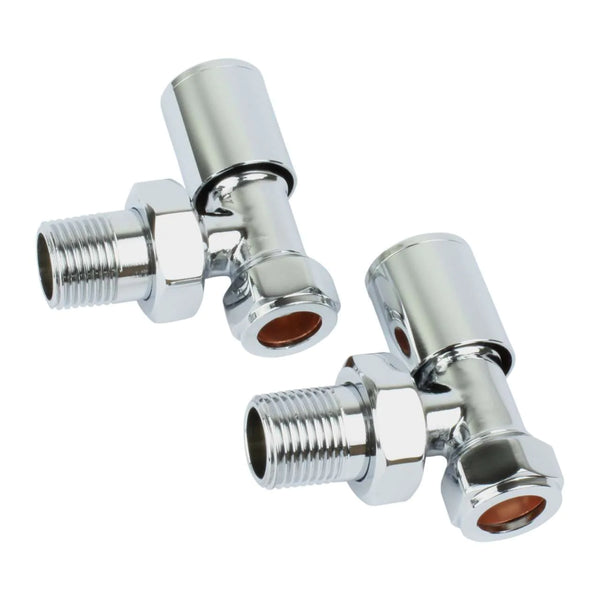
Compatible Valves
Your existing radiator valves may need to be replaced or adapted for dual fuel operation. The T-piece that connects the electric element needs to fit properly with your valve setup.
Check your current valve configuration before purchasing. Most standard radiator valves can be adapted, but it is worth confirming compatibility. Our selection of towel radiator valves includes options suitable for dual fuel installations.
Electrical Connection
You will need access to electrical power near your towel rail. This could be a fused spur (the neatest option) or a standard plug socket. If no power supply exists near your towel rail, you may need an electrician to install one.
How the Conversion Works
The Basic Principle
A dual fuel conversion adds an electric heating element to your existing central heating towel rail. The element is installed at the bottom of the rail, where it can heat the water or thermal fluid inside the unit.
When your central heating is running, hot water from the boiler flows through the rail as normal. The electric element remains off and does not interfere with operation.
When you want to use the rail without central heating, you switch on the electric element. It heats the fluid inside the sealed rail, warming the bars just as effectively as the central heating would.
The T-Piece Connection
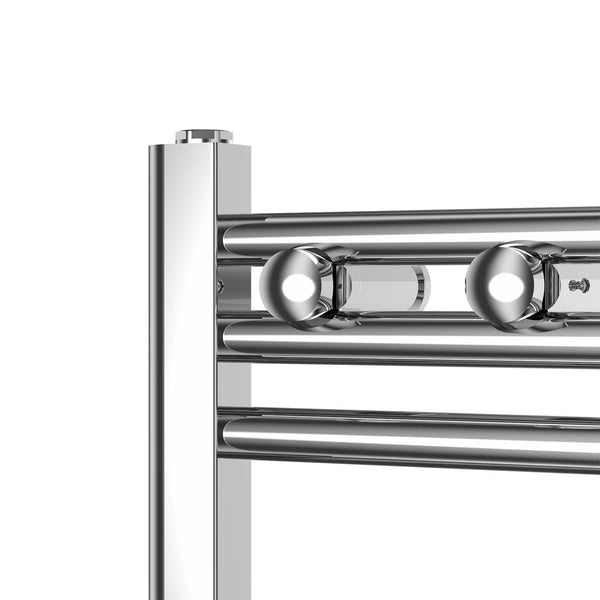
The clever part of a dual fuel system is the T-piece connector. This fitting replaces the standard connection at the bottom of your towel rail, creating two pathways: one for the central heating pipework and one for the electric element.
The T-piece allows water to flow through when the central heating is active, whilst also providing a sealed port for the electric element to heat the same water when the central heating is off.
Installation Options
Professional Installation
We strongly recommend professional installation for dual fuel conversions. The work involves both plumbing and electrical components, and mistakes could result in leaks, electrical hazards, or damage to your heating system.
A qualified plumber or heating engineer can drain your central heating system, remove the existing valve connection, install the T-piece and element, and refill and bleed the system. An electrician may be needed if new electrical supply is required.
Professional installation typically costs between £100 and £200, depending on the complexity of the work and whether new electrical supply is needed. This is money well spent for peace of mind and a proper, safe installation.
DIY Considerations
If you are competent with plumbing and have experience working with central heating systems, DIY installation is possible. However, you should be aware of the challenges involved.
You will need to drain down your central heating system before starting work. This involves turning off the boiler, closing valves, and draining water from the system. After installation, you will need to refill the system, bleed all radiators, and check for leaks.
Any electrical work beyond plugging into an existing socket should be carried out by a qualified electrician or certified under Part P of the Building Regulations if you do it yourself.
Choosing the Right Element
Wattage Selection
Choosing the correct wattage for your heating element is important. Too low and your towel rail will not reach a comfortable temperature. Too high and you risk overheating or wasting energy.
As a general guide, you need approximately 30-40 watts per litre of water capacity in your towel rail. Most standard bathroom towel rails work well with elements between 150 and 300 watts.
Larger towel rails or those in cold bathrooms may benefit from higher wattage elements. If in doubt, consult the towel rail manufacturer or element supplier for recommendations.
Element Features
Basic elements simply provide on/off heating, whilst more advanced options offer additional features that enhance usability and efficiency.
Thermostatic elements maintain a set temperature automatically, cycling on and off to prevent overheating and save energy. These are more expensive but offer better control and efficiency.
Timer elements allow you to programme when the heating operates, so your towels are warm when you need them without running the element continuously.
Smart elements can be controlled via smartphone apps, offering remote control and advanced scheduling features.
Step-by-Step Conversion Process
Here is an overview of what the conversion process typically involves. This is for information only – we recommend professional installation.
Preparation
Turn off your central heating system and allow it to cool completely. Close the valves on either side of the towel rail you are converting. Have towels ready to catch any water spillage.
Draining
Open the bleed valve at the top of your towel rail to release pressure. Carefully disconnect the bottom connection where the T-piece will be installed. Water will drain out, so have a container ready.
Installing the T-Piece
Remove the existing fitting and replace it with the T-piece connector from your dual fuel kit. Use PTFE tape or appropriate sealant on all threaded connections to prevent leaks.
Installing the Element
Insert the electric heating element into the T-piece, ensuring a watertight seal. The element should sit at the bottom of the towel rail where it can effectively heat the fluid inside.
Refilling and Testing
Reconnect your central heating pipework and refill the system. Bleed the towel rail and all other radiators to remove air. Check thoroughly for leaks before restoring power and testing operation.
Common Questions About Dual Fuel Conversion
Will It Work With My Existing Towel Rail?
Most standard central heating towel rails can be converted to dual fuel, provided they have a suitable connection point at the bottom for the T-piece and element. Rails with unusual designs or very small internal volumes may not be suitable.
Check with the towel rail manufacturer or a heating professional if you are unsure whether your specific model can be converted.
Can I Use Both Heat Sources Simultaneously?
Yes, you can run the electric element whilst the central heating is also operating. This can be useful on particularly cold days when you want maximum heat output. However, for normal use, you would typically use one or the other.
How Much Will It Cost to Run?
Running costs depend on the element wattage and how often you use it. A 200-watt element running for 3 hours per day would use approximately 0.6 kWh of electricity. At current UK electricity prices, that is roughly 15-20 pence per day.
Compare this to the cost of running your gas boiler and central heating system, and the electric option is significantly cheaper for heating just the towel rail.
Is It Safe?
When properly installed by a qualified professional, dual fuel towel rails are completely safe. The elements are designed for use in wet environments and include safety features such as overheat protection.
Always ensure installation is carried out correctly and that the electrical supply is appropriate for bathroom use.
Alternative: Buying a New Dual Fuel Rail
If your existing towel rail is old or you are planning a bathroom renovation anyway, it might make more sense to purchase a new towel rail that is already dual fuel ready or comes with a dual fuel kit included.
Many modern chrome towel rails and other styles are available in dual fuel versions, with the element pre-fitted or supplied as part of the package. This can be more cost-effective than converting an older rail.
You will still need professional installation for the plumbing and electrical connections, but starting with a purpose-built dual fuel rail ensures optimal compatibility and performance.
Conclusion
Converting your central heating towel rail to dual fuel is one of the most practical upgrades you can make to your bathroom. It transforms a seasonally limited fixture into a year-round source of warm, dry towels and gentle bathroom heating.
The conversion is straightforward when carried out by a qualified professional, and the components heating element, T-piece, and compatible valves – are readily available and affordable. The running costs are modest, and the convenience of having warm towels whenever you want them, regardless of whether your central heating is running, is genuinely worthwhile.
Whether you choose to convert your existing towel rail or invest in a new dual fuel model, you will wonder how you ever managed without this versatile heating solution. Browse our complete collection of electric towel rails and dual fuel accessories to find everything you need for your bathroom upgrade.